Reviews
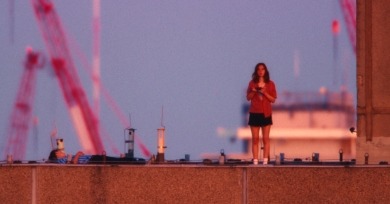
Perhaps Everytime feels so elusive because it is most vividly recalled as a collection of details. There are about a half-dozen Big Images; they are formally audacious, given ample lead-up and thematic weight. But it is the smaller moments that take up residence in memory.
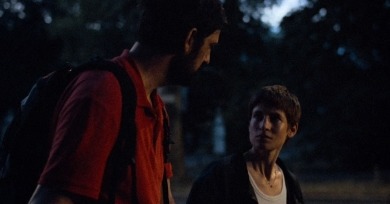
In My Wife Cries, we do not experience, or even see, what the characters experience, but are made constantly aware of the limitations of our own perspective.
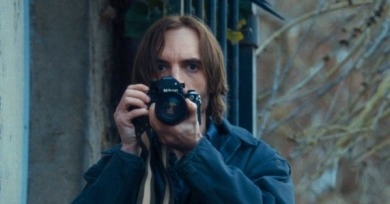
Dreams, projections, flashbacks abound in The Unknown, but none of these are heralded or signposted, piling on an even greater level of mental disorientation, which Harari offers as a portal to greater organic understanding, both socially and cinematically.

A Day in the Life of Jo is a difficult movie to describe, both because of the way it unfolds and its manner of storytelling, which, three quarters of the way through, takes one of the boldest left turns in recent cinema.
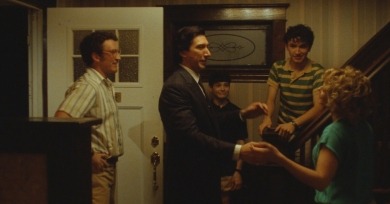
Paper Tiger is Gray’s deftest and most moving film yet about how the assumptions Americans are fed about our ability to transcend class and economic standing are more quicksand than bedrock.
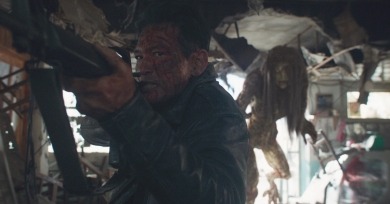
Amidst the nonstop chaos, the film finds something close to real pathos in using the communication gulf between the humans and aliens to excoriate xenophobia and ignorance.
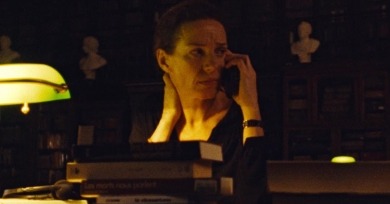
Have you ever experienced a pleasurable, tingling sensation at the thought that somewhere out there, perhaps locked in a vault, stashed in a shoebox, or hidden in plain sight on the dusty shelves of an unassuming bookseller, lies a secret, suppressed, or once lost text that could change the course of humanity, unlock portals to other worlds, or reveal secret histories?
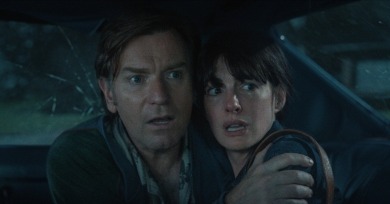
The nihilistic carnage is just as likely to elicit laughter as screams. Even established characters are shredded with brutal flippancy, including a major one whose stunning, gory demise prompted the loudest shrieks and cackles at my screening.
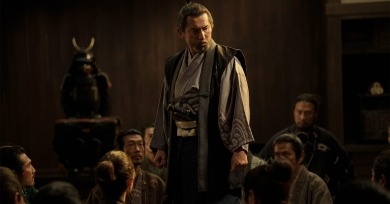
The key to the cinema of Kiyoshi Kurosawa is his multifaceted approach to various forms, each storytelling configuration providing its own archetypes and stylistic markers that can be freely mixed even as he maintains control over tone and aesthetic style.
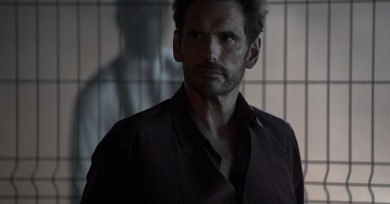
Alboury will not come inside, and he will not go home, either; the more the two men try to feel each other out, the less likely it becomes that one or the other is going to budge. This is a compelling setup, sociologically and emotionally loaded.

How do you make a film that feels like your own, when everything about your form has been tokenized, appropriated, wrongly treated as representative of your entire community? This is the impossible, infuriating task at hand for Schoenbrun’s dizzying, sybaritic jaunt through the intellectual ouroboros of desire.
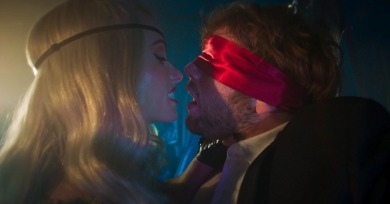
The film has been heralded as a return to form from one of New Queer Cinema’s brashest voices ever since its premiere at Sundance, yet it turns out to be a fairly conventional coming-of-age story.
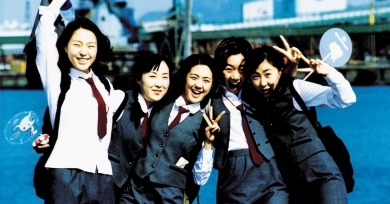
Long imagined as both gateway and periphery, Incheon embodies the contradictory promises of post-IMF South Korea. It is a city defined by departures and arrivals.
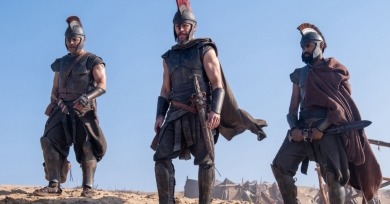
The first narrative feature to be shot start-to-finish on IMAX film, The Odyssey showcases lustrous ocean hues and $250 million worth of production value to sporadically radiant color effect.